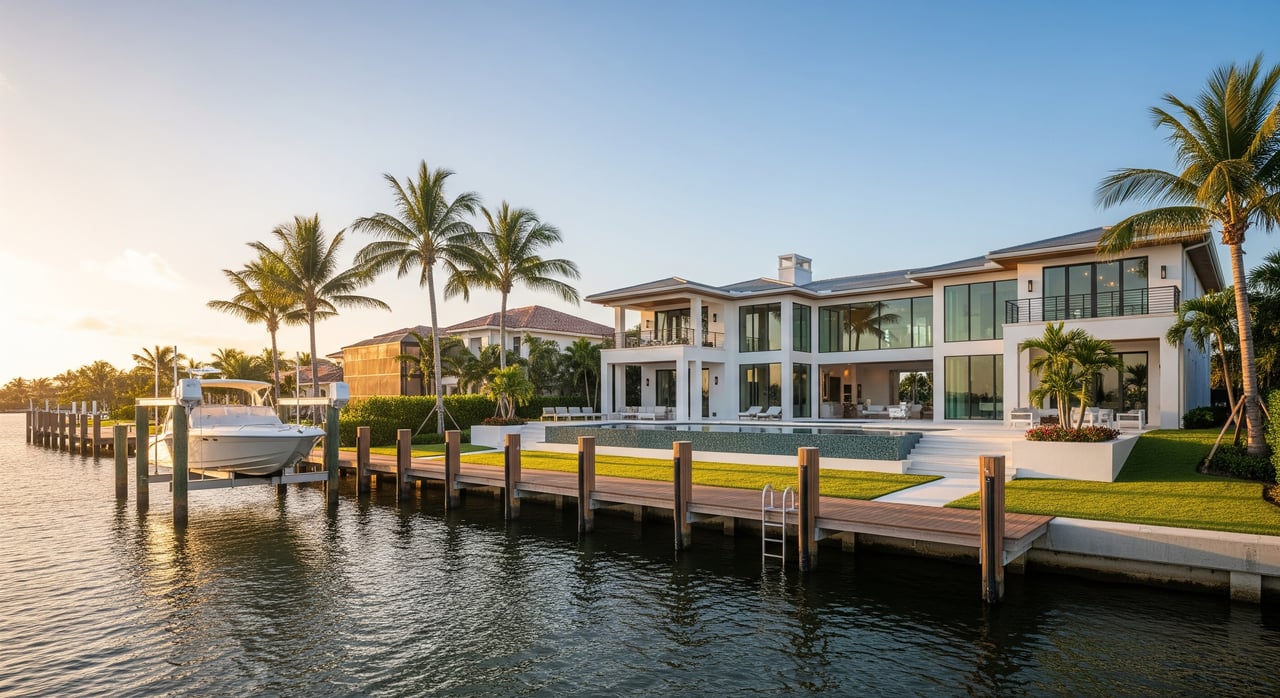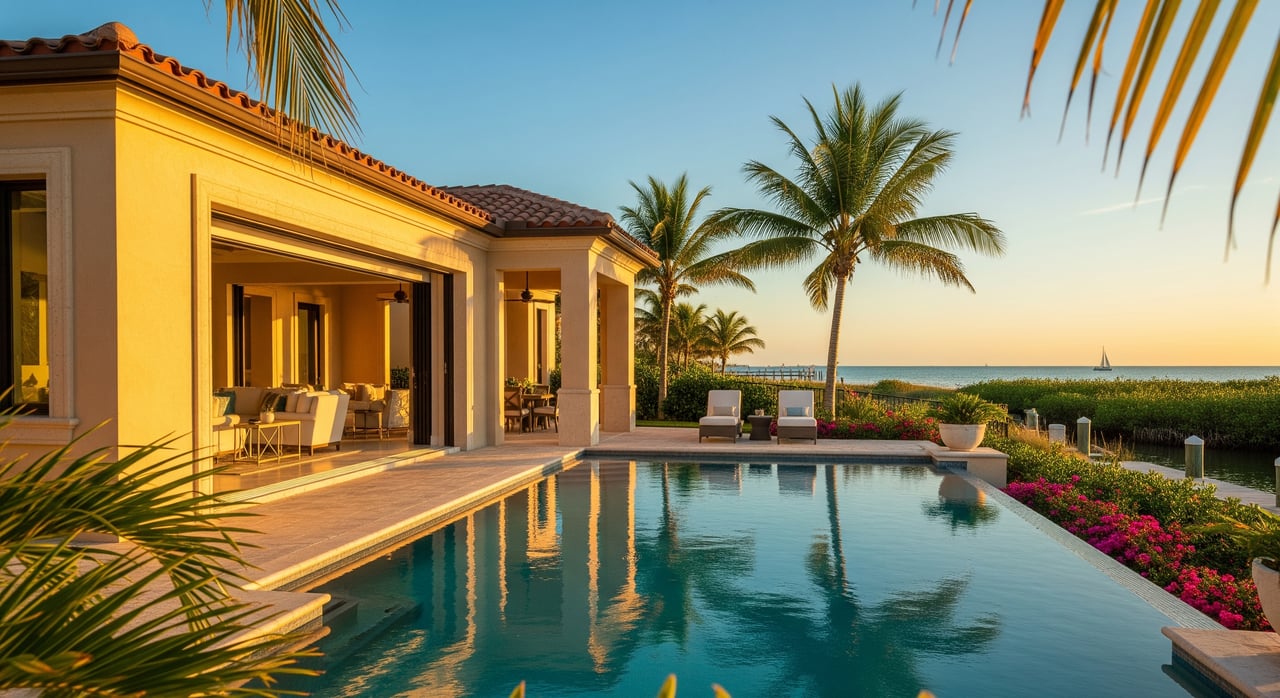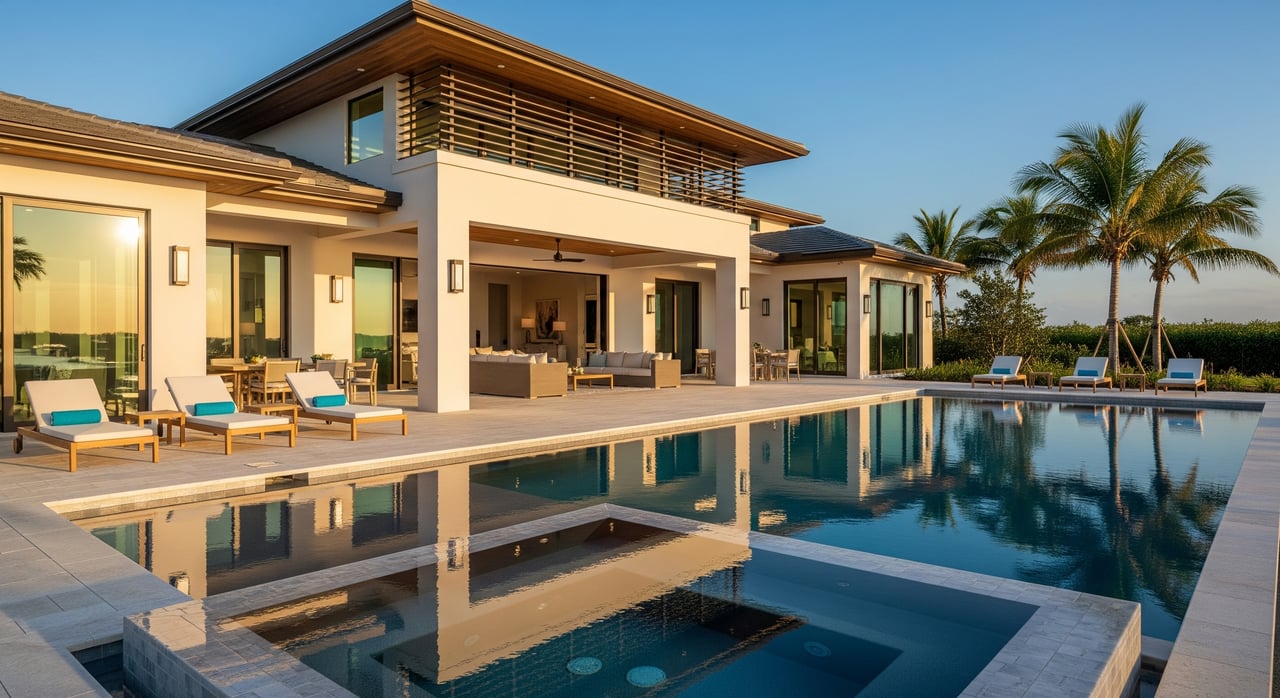
Thinking about building a home in North Naples but not sure where to start? You’re not alone. New construction in 34120 comes with its own steps, timelines, and local rules. In this guide, you’ll learn how the process works in Collier County, what to expect at each stage, and how to plan your budget and timeline with confidence. Let’s dive in.
North Naples new construction at a glance
New construction in unincorporated North Naples (ZIP 34120) follows Collier County rules and the Florida Building Code. You’ll find production homes in planned communities, custom builds on private lots, and spec homes that are move-in ready. Each path has different timelines, selections, and costs.
Common home types and build models
- Production homes: Choose a plan and options package in a community. Often the fastest path.
- Spec homes: Completed or near-complete homes built for sale. Limited customization.
- Custom homes: Architect-designed, built on your lot. Most flexible, typically longest timeline.
Typical timelines
- Production or spec homes often complete in about 6 to 10 months once permits are issued.
- Custom builds or complex sites commonly take 12 to 24 months or longer.
- Weather, plan changes, permit reviews, and inspections can extend schedules.
Step-by-step: From lot to keys
1) Land and entitlements
You start by securing a lot in a subdivision or purchasing land. If a new subdivision or replat is involved, the County’s planning review and infrastructure approvals apply. Check utility availability for water, sewer, stormwater, and power before you commit.
2) Construction permitting
Your builder submits engineered plans and applications for the building permit and any needed site or stormwater permits. Collier County assesses impact fees and connection fees before permit issuance. Plan for potential review comments and revisions.
3) Site prep and utilities
Crews clear and grade the site, manage erosion control, and install utilities. In subdivisions, roads and curbs are typically already in place. Private septic or lift stations may be required where centralized sewer is not available.
4) Vertical construction
Foundation work comes first, followed by framing and roofing. Mechanical rough-ins for HVAC, plumbing, and electrical are installed. Then comes insulation, drywall, and finishes like flooring, cabinets, trim, and paint.
5) Inspections and Certificate of Occupancy
The County inspects key milestones such as foundation, framing, and mechanical rough-ins. A final inspection is required to issue a Certificate of Occupancy. Your builder typically completes a walkthrough and punch list before closing.
6) After move-in: punch list and warranty
Expect a short punch list period to address minor items. Most builders provide workmanship, systems, and structural coverage within defined warranty terms. Collect all warranty manuals and contacts at closing.
Local rules that matter in 34120
Florida Building Code and wind requirements
Homes must meet the Florida Building Code, including wind-resistance details that are critical in Southwest Florida. Roof-to-wall connections, impact-rated openings or shutters, and tie-down systems are typical features. These requirements influence both design and cost.
Flood zones and finished-floor elevation
FEMA flood maps and local flood zones determine finished-floor elevations and whether elevation certificates are needed. If your lot is in a mapped flood zone, plan for potential elevation and insurance considerations.
Environmental and wetlands reviews
Lots that include wetlands or sensitive areas may need environmental resource permits. State and regional agencies can be involved when wetlands or mangroves could be affected. Confirm site conditions early so you can plan for any mitigation.
Impact fees and utility connections
Collier County charges impact and connection fees for new homes. These fees vary and can change over time, so verify current schedules during permitting. Community-specific HOA rules may also affect exterior materials and landscaping.
Licensed contractors and consumer protections
Florida requires state-licensed contractors for major trades. License verification and complaint processes help protect consumers. Ask your builder to identify all licensed subs involved in the project.
Budget, financing, and contracts
What drives total cost
- Land price and any lot premium for views or location.
- Base home price plus structural options and design upgrades.
- Permit, impact, and connection fees, and any drainage or stormwater requirements.
- Coastal and code-driven features like impact glass, reinforced roofs, and elevated slabs.
- HOA initiation fees and architectural review requirements in planned communities.
Financing options to consider
- Construction-to-perm loan: Short-term construction financing that converts to a standard mortgage at completion.
- Builder or spec-home financing: Some builders allow standard mortgages on completed homes or offer seller-arranged options.
- Government-backed programs: FHA, VA, and USDA have specific new-construction rules. Confirm lender and program details early.
Contracts and protections
- Contract types: Purchase agreements for spec or to-be-built homes, lot-plus-construction agreements, and custom contracts (fixed-price or cost-plus).
- Key terms to review: Allowances, change-order process, completion date and delay language, deposits and escrow handling, inspection rights, warranty terms, dispute resolution.
- Deposits: Understand deposit size, escrow protections, and refund conditions before you sign.
Inspections and quality control
- County inspections: Required at foundation, framing, rough-in mechanicals, and final. No CO is issued until these pass.
- Independent inspections: Many buyers hire a third-party inspector for pre-drywall, post-framing, and final checks.
- Structural review: High-value or custom homes may benefit from additional third-party or engineering review.
Smart buyer tips for North Naples
- Verify flood zone and get an elevation certificate if needed. Price flood insurance before you finalize your budget.
- Confirm utility availability and whether sewer is centralized or requires a private system.
- Expect code-driven wind and impact requirements. Budget for impact-rated windows and reinforced roofing.
- Review HOA and architectural guidelines for exterior finishes, landscaping, and future additions.
- Get a written build schedule with milestones and understand remedies for delays. Add buffer time for hurricane season and supply variability.
Your next step
If you want clear guidance from lot selection through closing, partner with a local advisor who understands Collier County permitting, builder norms, and community options. For a streamlined experience and neighborhood-first advice in 34120, connect with Tricia Kowaleski.
FAQs
How long does new construction take in 34120?
- Production and spec homes often finish in about 6 to 10 months after permitting, while custom homes or complex sites commonly run 12 to 24 months or longer, depending on weather, plan changes, and inspections.
What permits are needed for a new home in Collier County?
- Your builder typically submits engineered plans for building and any site or stormwater permits, and pays impact and connection fees before permits are issued.
How do flood zones affect building in North Naples?
- Flood zones influence finished-floor elevation, potential elevation certificates, and flood insurance needs, which can affect design, schedule, and long-term costs.
What inspections should I order on a new build?
- Many buyers add independent pre-drywall and final inspections, and sometimes a post-framing check, to complement County-required inspections.
How do construction loans work for new homes in 34120?
- A construction-to-perm loan funds the build with interest-only payments, then converts to a traditional mortgage at completion; confirm program specifics with your lender.
What warranties do builders typically provide in Collier County?
- Builders often offer short-term workmanship coverage, separate systems coverage, and longer structural coverage, with exact terms defined in your purchase contract and warranty documents.