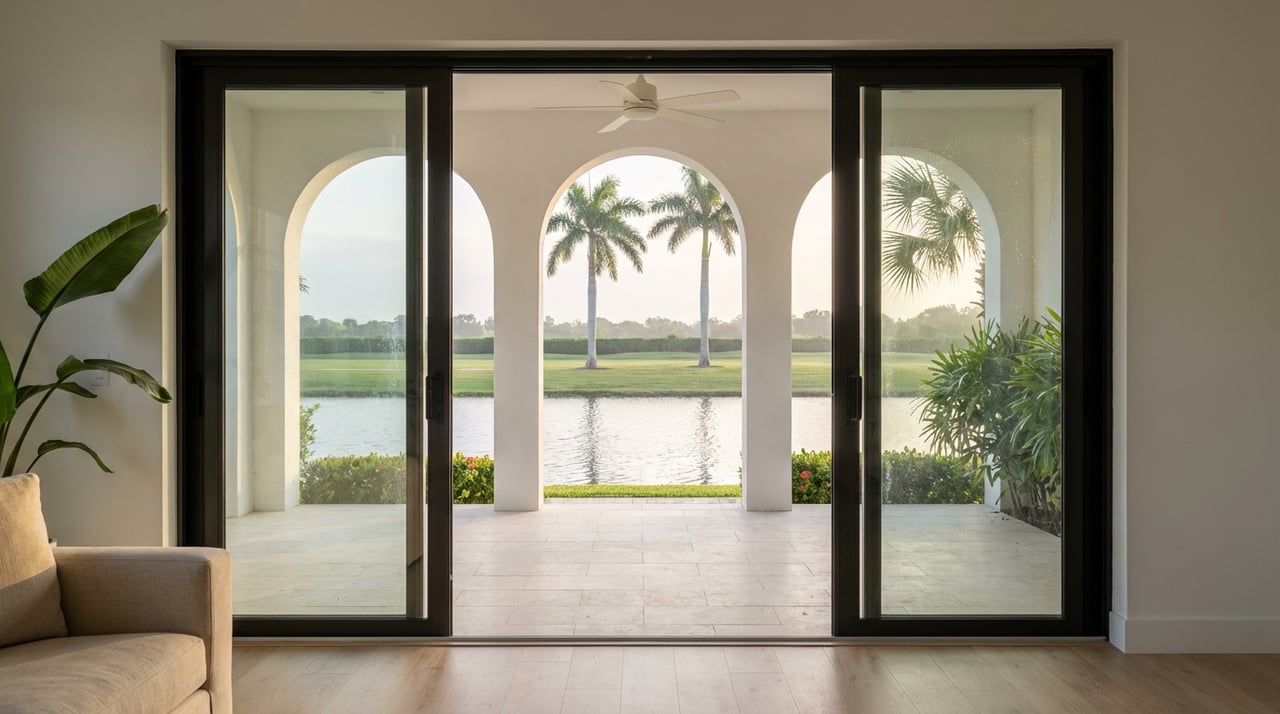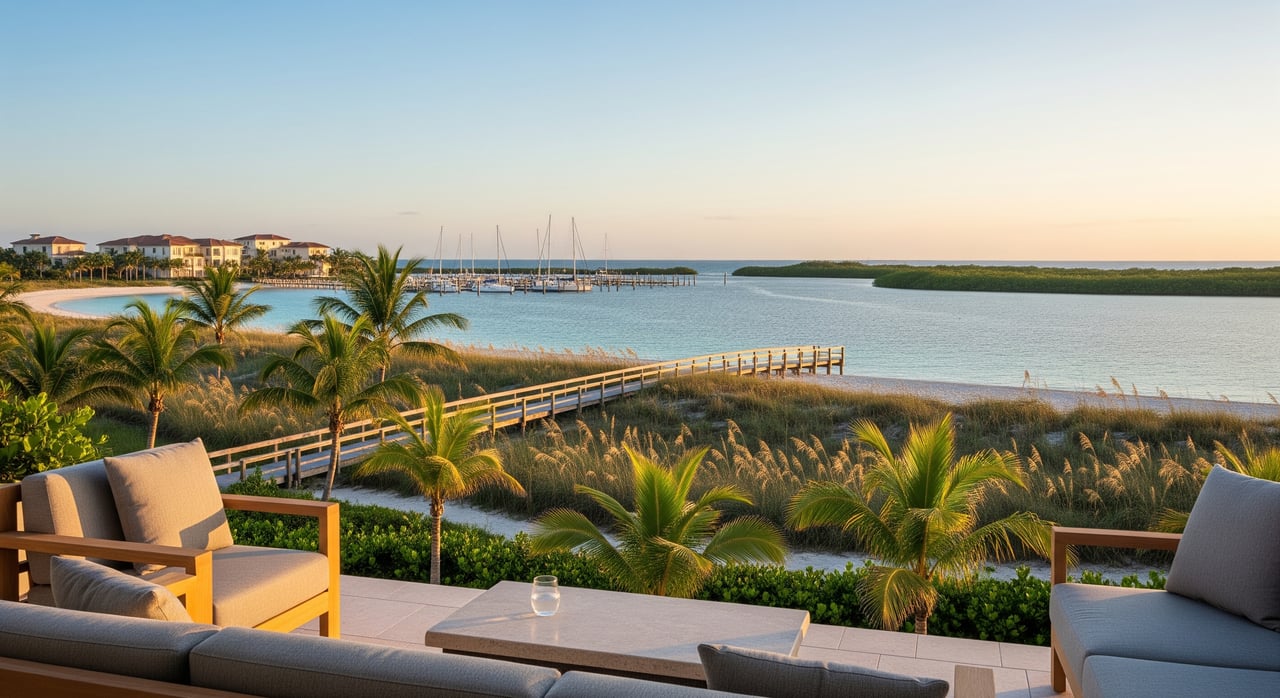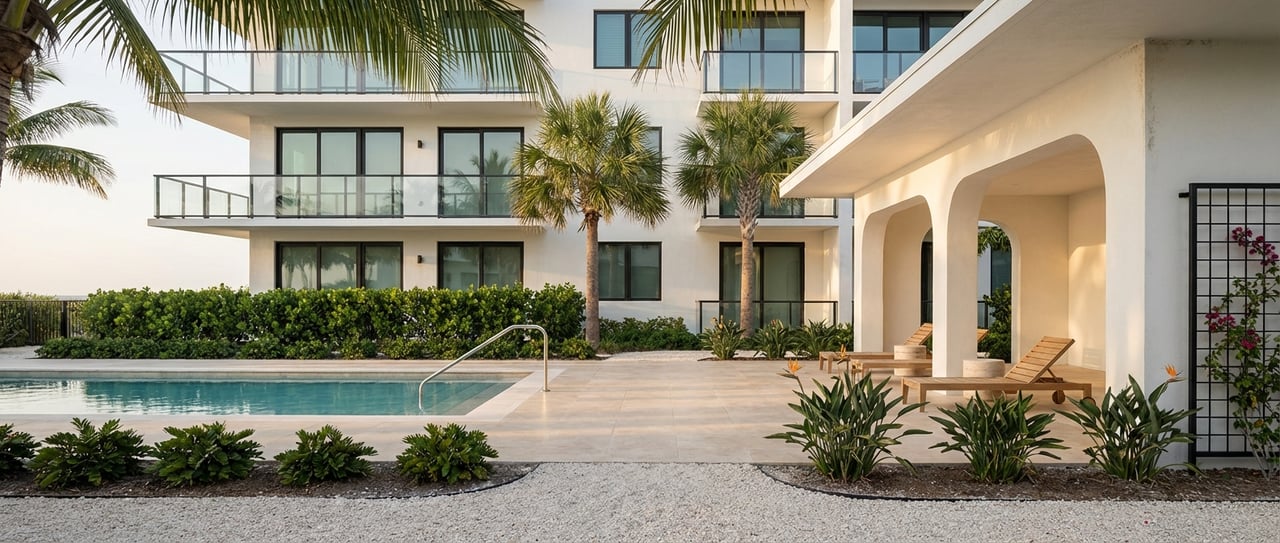
Picture this: you can hear the Gulf, the sky is cotton-candy pink, and you’re deciding between two stunning condos in Vanderbilt Beach. The views are easy to love. The details behind the walls, the HOA budget, and the building’s inspection status are where smart choices happen. In this guide, you’ll learn how to compare Gulf-front and bay-side options, weigh high-rise against low-rise living, check rental rules, and review the documents that protect your investment. Let’s dive in.
Vanderbilt Beach at a glance
Vanderbilt Beach sits in North Naples along the Gulf of Mexico. It combines beachfront towers with bay-side and inland waterfront buildings. Public beach access is close by, and beach restoration work and storm impacts are part of the local conversation. That context matters when you compare buildings and long-term costs.
Market snapshot: why building quality matters
Recent reports for the Naples and Collier County area show rising condo inventory and longer days on market. You have more choice today than during the pandemic peak. The key is to focus on location, building condition, and the strength of the association’s finances. Well-maintained buildings with solid reserves and useful amenities tend to hold value better than older buildings with deferred maintenance. You can review local data through the Naples Area Board of REALTORS market statistics.
Gulf-front vs. bay-side: which fits you?
Choosing between beachfront and bay-side living is about lifestyle, exposure to storms, and ongoing costs.
Gulf-front: what to weigh
- Lifestyle: direct beach access, wide Gulf views, and postcard sunsets. These units often draw stronger vacation-rental interest.
- Risk and cost: higher exposure to storm surge, wave action, and coastal erosion. Expect stricter flood-zone considerations and potentially higher insurance deductibles through the association’s master policy. Your own HO-6 policy may also cost more. Check your unit’s exact flood zone using the FEMA Flood Map Service Center and review local updates through Collier County Floodplain Management.
Bay-side and inland waterfront: what to weigh
- Lifestyle: calmer water, easier access to boating and private docks, and less beach traffic on your doorstep. You may trade a bit of the resale premium that Gulf-front commands for lower direct storm exposure.
- Risk and cost: still subject to flooding and insurance requirements. You will want the same flood-zone verification and insurance due diligence you would do on the beach side.
Questions to ask for either location
- Has the building participated in recent shoreline or post-storm restoration projects, and were there related insurance or FEMA claims?
- What is the exact FEMA flood zone for the address and building elevation? Confirm through FEMA’s map portal and cross-check with Collier County’s Floodplain Management guidance.
- How does the association handle master policy hurricane or wind deductibles if there is a claim?
High-rise vs. low-rise: lifestyle and risk
Beyond location, building height changes daily living and your due diligence.
High-rise benefits and tradeoffs
- Benefits: bigger views, often richer amenities like staffed entries, fitness centers, and valet. Gulf-facing units can see stronger rental demand.
- Tradeoffs: more reliance on elevators and building systems. In Florida, buildings three stories or higher must complete milestone structural inspections on a 30-year schedule with 10-year repeats, with local coastal adjustments possible. This is detailed in Florida Statute 553.899. Associations must also complete a Structural Integrity Reserve Study (SIRS) for key structural components, with guidance from the state’s DBPR condominium FAQs. These reports can lead to special assessments and higher dues if significant repairs are required.
Low-rise benefits and tradeoffs
- Benefits: simpler buildings with easier access and, in some cases, lower HOA fees.
- Tradeoffs: many low-rises are older, so you should confirm roof, plumbing, and mechanical histories. While milestone and SIRS rules focus on 3+ story buildings, older low-rises can still carry deferred maintenance risk. Ask for the full record of capital projects and any engineer reports tied to recent work.
Amenities and HOA economics: what you pay for
Amenities like beach access, pools, fitness rooms, covered parking, guest suites, and on-site rental programs are valuable, but they require larger operating budgets and strong reserves. Compare what you are getting with what you are paying.
- Review the association budget and reserve line items for big-ticket components like roofs, elevators, windows/doors, and structural repairs.
- Ask how the HOA plans to fund SIRS-identified items. If owners previously voted to waive reserves for structural components, you may face larger assessments later.
- Match the amenity package to your lifestyle. A marina or guest suites might be worth higher fees if you will use them often.
Short-term rentals: rules, taxes, and returns
If you plan to rent your condo, verify two layers of rules.
- County rules: Unincorporated Collier County requires short-term vacation rental registration. Taxes apply, including state sales tax and local tourist taxes. Start with the county’s short-term vacation rental registration page for process and compliance.
- Building rules: Many associations set minimum lease periods, blackout dates, or annual caps on total leases. Building rules always come first. Make sure your pro forma uses net income after taxes, fees, and HOA restrictions.
Inspections and reserves: what Florida law requires
You want clear answers about a building’s structural health and its plan to fund future work.
- Milestone inspections: Buildings three habitable stories or more must complete milestone inspections at 30 years of age and then every 10 years, with local conditions potentially moving the first due date earlier along the coast. Details are in Florida Statute 553.899.
- SIRS: A Structural Integrity Reserve Study is required for 3+ story buildings. It identifies critical components, useful life, and a funding plan. Many associations cannot waive funding for structural items. Review the state’s DBPR FAQs to understand how SIRS works.
- Buyer rights: Before closing, you are entitled to key condominium documents under Florida Condominium law, Chapter 718. Ask for the milestone report summary and the SIRS or a written statement if one does not exist.
HOA finances, insurance, and lending: core checks
Healthy finances and insurability are essential for value and loan approval.
- Project eligibility: Lenders, as well as Fannie Mae and Freddie Mac, look at reserves, owner delinquency, litigation, and structural reports. Buildings that do not meet guidelines can become non-warrantable, limiting conventional financing. Have your lender check the building early using tools like Fannie Mae’s Condo Project Manager and review Freddie’s guidance in the Condo Project Advisor FAQs.
- Insurance: The association carries a master policy. You will need an HO-6 policy for your unit that includes interior coverage, personal property, liability, loss of use, and a strong loss-assessment endorsement. Because many Florida master policies have higher hurricane or wind deductibles, confirm what your share could be and make sure your HO-6 covers it. For a consumer-friendly overview, see this guide to condo and townhome insurance.
- Red flags: Minimal reserve funding for structural items, pending litigation tied to safety or financial solvency, and high owner delinquency can all affect loan options and future costs.
Your due diligence checklist
Request these items before you commit, and read them closely. Many are required disclosures under Florida law.
- Core condo documents: Declaration, Articles of Incorporation, Bylaws, and Rules and Regulations. These are among the items provided for buyers under Florida Chapter 718.
- Budgets and reserves: Current and prior-year budgets, detailed reserve schedules, and the Structural Integrity Reserve Study for 3+ story buildings. Confirm funding levels and whether reserves were waived.
- Milestone inspections: The inspector-prepared summary and full report if available for buildings that meet the criteria under Statute 553.899. If a Phase 2 is recommended, get permits, scopes, contractor bids, and timelines.
- Board minutes and assessments: The last 12 months of board meeting minutes and all special-assessment notices. Minutes often reveal upcoming projects and disputes.
- Insurance: The association’s certificate of insurance showing coverages and master policy deductibles. Ask how deductibles are assessed to owners and what HO-6 loss-assessment limits are suggested. Review your personal coverage needs with your insurer using this condo insurance overview.
- Litigation: A written list of any pending legal matters, often included in the association estoppel or provided by association counsel. Significant structural or financial litigation is a serious red flag. Freddie Mac’s project FAQs explain why this matters for loans.
- Rentals: The association’s rental rules, minimum lease terms, and a ledger showing the percentage of units rented vs. owner-occupied. Confirm county requirements through the Collier County STR registration page.
- Flood and elevation: The unit’s FEMA flood zone from the FEMA map portal and any local updates from Collier County Floodplain Management. Ask about prior flood claims and completed mitigation projects.
- Financing fit: Have your lender confirm the building’s eligibility with Fannie Mae’s CPM and Freddie’s standards before you waive your financing contingency.
How to choose with confidence
Start with lifestyle: views, beach access, boating, and amenities. Then study the building: structural reports, reserves, and maintenance history. Finally, confirm your numbers: HOA fees, insurance costs, taxes on rentals if applicable, and your financing path. With a clear process and the right local guidance, you can enjoy the Vanderbilt Beach lifestyle while protecting your investment.
If you want a condo-by-condo comparison, help pulling the right documents, or introductions to local lenders and insurance pros, connect with Tricia Kowaleski. You’ll get a clear plan, matched to your goals, and a high-touch experience from search to close.
FAQs
What is the main difference between Gulf-front and bay-side condos in Vanderbilt Beach?
- Gulf-front offers direct beach access and wider views but typically faces higher storm exposure and insurance costs; bay-side offers calmer water and easier dock access with different flood risks.
How do Florida milestone inspections affect buying a Vanderbilt Beach condo?
- For buildings 3+ stories, milestone inspections can identify needed structural work that may lead to special assessments or higher dues; review the latest engineer reports before you buy.
What should I look for in a Vanderbilt Beach condo HOA budget and reserves?
- Confirm SIRS items are funded, check reserve levels for roofs, elevators, and structure, and scan for signs of deferred maintenance or frequent special assessments.
Can I do short-term rentals in an unincorporated Collier County condo near Vanderbilt Beach?
- Many can, but you must register with the county and follow building rules on lease length and caps; taxes apply and will affect your net income.
How do flood zones impact insurance costs for Vanderbilt Beach condos?
- Units in higher-risk flood zones can face higher association deductibles and HO-6 premiums; verify your exact zone and elevation before you finalize your offer.
What makes a condo non-warrantable and why does it matter in Vanderbilt Beach?
- High delinquency, low reserves, litigation, or structural concerns can make a project non-warrantable, limiting conventional financing and affecting resale options.