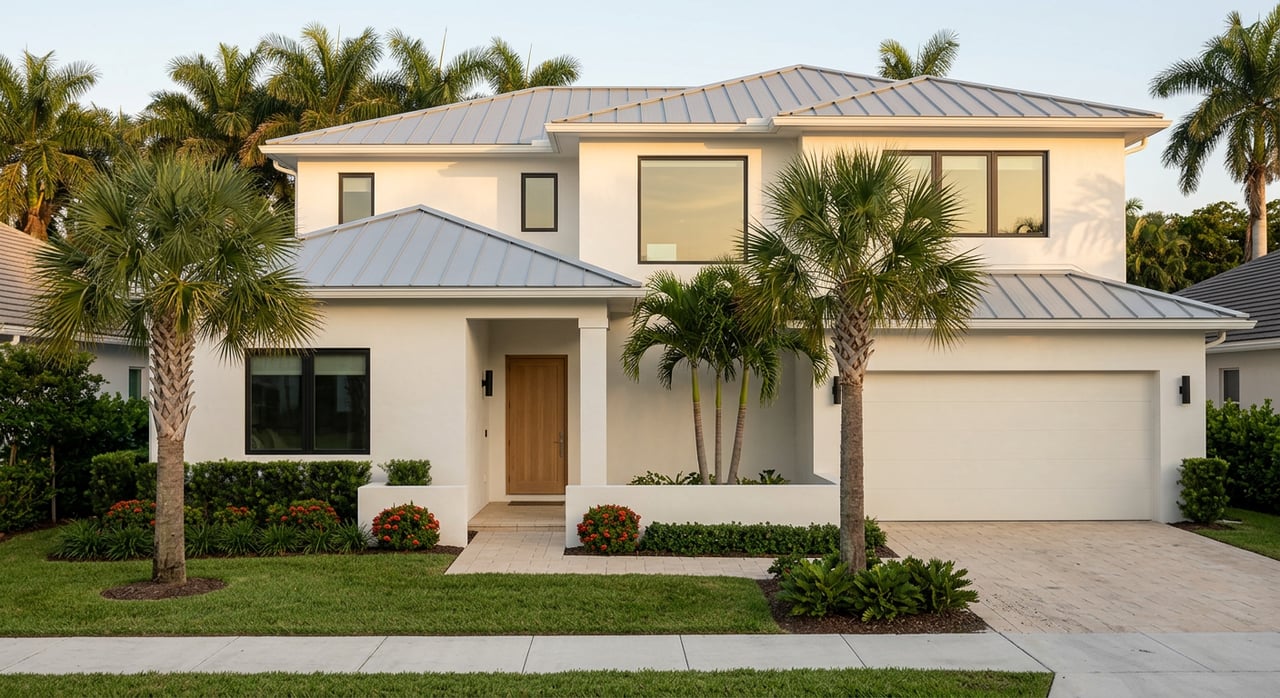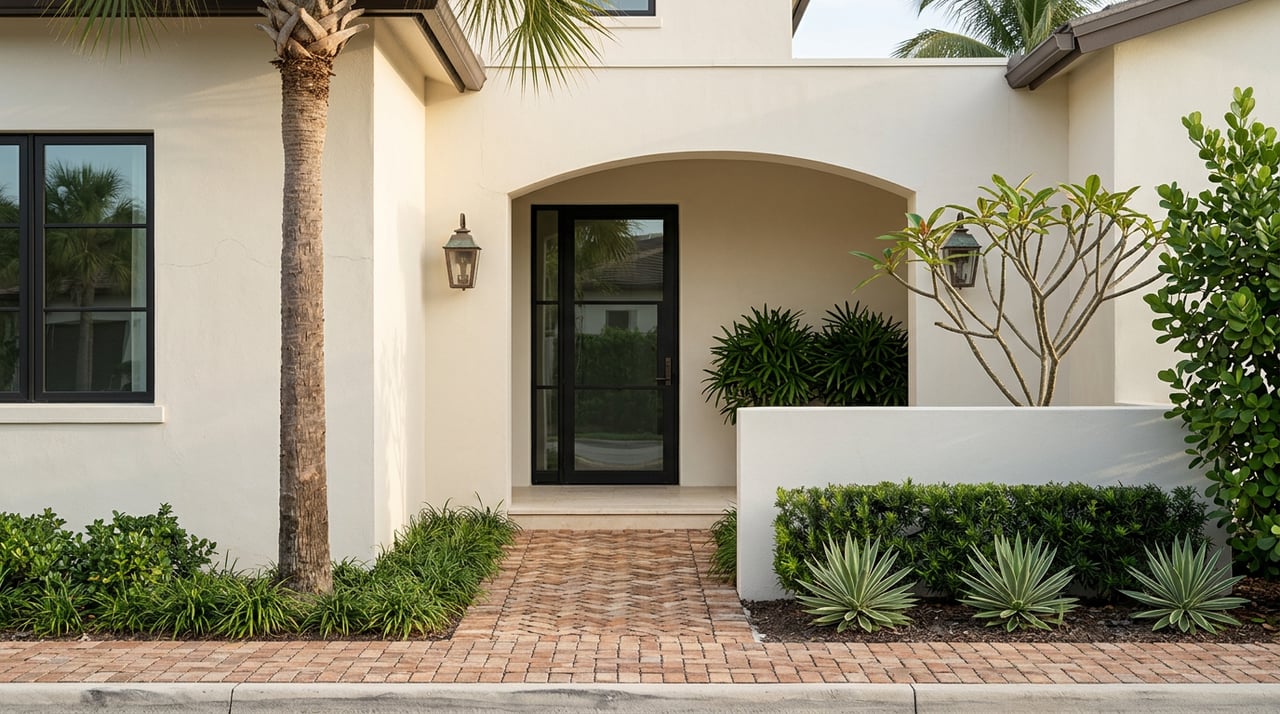
Trying to choose between Pelican Bay and Olde Naples? You’re not alone. Both neighborhoods are iconic, but they deliver very different everyday experiences. In this guide, you’ll see a clear, side‑by‑side look at housing, walkability, beach access, culture, and practical details like HOAs and flood risk so you can feel confident about your shortlist. Let’s dive in.
Pelican Bay vs. Olde Naples at a glance
Pelican Bay is a large, master‑planned coastal community known for on‑site amenities like tram service to resident beachfront pavilions, staffed beaches, and active tennis and fitness centers. The Pelican Bay Foundation highlights nearly three miles of white‑sand shoreline plus on‑site beach restaurants and community programming. If you want a resortlike, amenity‑rich setup, this is a strong match. You can explore the official overview from the foundation for a feel of the campus and services at the Pelican Bay community overview.
Olde Naples is the historic downtown neighborhood centered on Fifth Avenue South and Third Street South. Think palm‑lined streets, cafés, galleries, and seasonal events, with public beach access points throughout. It’s the walkable, downtown “village” vibe where you can head out your door and be at dinner, the farmers market, or the pier in minutes. For a snapshot of the downtown energy, check out the Fifth Avenue South dining and arts district.
In terms of location, Pelican Bay sits a short drive north of downtown and close to North Naples hubs like Waterside Shops, Mercato, and Artis‑Naples. Directions to the arts campus place it about 5 to 6 miles north of downtown, giving you quick access to performances and exhibits without crossing town. See regional context via the Artis‑Naples venue overview.
Housing and price context
Pelican Bay: condos to villas in a master plan
Pelican Bay includes more than 6,500 residences across mid‑ and high‑rise condo buildings, villas, and select single‑family enclaves within sub‑associations. Architecture ranges from tower living with Gulf views to villa and estate styles tucked into landscaped neighborhoods. Because options vary widely, fees, amenities, and price bands differ by building and sub‑association. The Pelican Bay Foundation’s materials summarize this mix in the community overview.
Olde Naples: historic charm to new estates
Olde Naples offers classic “Old Florida” cottages and bungalows, Mediterranean‑influenced homes, sleek new‑construction estates, and boutique low‑rise condos. The area includes properties in and near the city’s historic district, which adds to the character and streetscape appeal. The neighborhood’s compact lots and proximity to downtown are a big part of its draw.
What to expect on pricing
Neighborhood‑level indices show different typical values between the two areas, and they shift month to month. As a directional guide, Pelican Bay often trends in the low‑to‑mid seven figures depending on property type, while Olde Naples spans a broad spectrum that includes both modest historic cottages and multi‑million‑dollar Gulf‑area properties. Keep in mind that medians can mask big differences between, say, a boutique low‑rise condo and a beachfront estate. For current market timing, inventory, and price tier trends, refer to the NABOR monthly market reports.
Walkability and daily life
If living on foot is a priority, Olde Naples stands out. Walk Score places it around 58, or “somewhat walkable,” with many restaurants, cafés, and shops reachable from a large share of addresses. You can review a snapshot at the Olde Naples Walk Score page.
Pelican Bay is more car‑dependent at the parcel level. Many addresses score low on Walk Score, and you’ll likely drive for groceries and errands. That said, Pelican Bay is internally connected with trails, shuttles, and a tram system that takes you to the beach and community amenities. See an example of local walkability at a representative Pelican Bay Walk Score location.
Beach access and the outdoors
Pelican Bay: curated, resident‑oriented shore
Pelican Bay promotes nearly three miles of community beaches accessed by tram and boardwalks, with north and south pavilions, staffed beach service, and resident‑oriented beach restaurants. This setup creates a private, resortlike experience with predictable facilities and programming. Always verify which beach and amenity privileges convey with a specific property using the Pelican Bay community overview.
Olde Naples: immediate, public beach access
Olde Naples offers multiple public beach access points, including the Naples Pier and Lowdermilk Park, plus street‑end access along the Gulf. Parking rules and resident permits can affect convenience, especially in peak season. Before you tour, review the city’s beach parking and permit information so you know what to expect for you and your guests.
Parks and preserves
Both areas connect you to unique coastal ecology. The Clam Pass boardwalk and nearby preserves offer mangrove boardwalks and a public tram experience, while Pelican Bay highlights kayak and canoe access in its internal preserves. For an overview of the public boardwalk experience, see the Clam Pass notes on Wikitravel.
Dining, culture, and vibe
Pelican Bay feels like a resort campus with on‑site dining, fitness, tennis and pickleball centers, and a community calendar. It is also close to Artis‑Naples for performances and exhibits, which makes catching a show simple. If you prefer a self‑contained social scene with consistent amenities, this setting delivers. You can explore the scope of amenities via the Pelican Bay Foundation site.
Olde Naples is the city’s downtown heartbeat. Fifth Avenue South and Third Street South pack in restaurants, galleries, boutiques, and theaters, with public events like markets, art walks, and seasonal parades. The atmosphere is vibrant, especially in high season, and ideal if you want street‑level dining and an active evening scene. A good place to start is the Fifth Avenue South guide.
Costs, HOAs, insurance, and rules
Pelican Bay properties typically include association dues at the building or neighborhood level, plus oversight from the Pelican Bay Foundation that maintains the shoreline and shared facilities. Fees, amenities, and rental rules vary by sub‑association, so review budgets, reserves, recent assessments, and insurance coverage in detail.
In Olde Naples, many single‑family homes have lower or no HOA dues. Downtown zoning, smaller lots, and parking norms are the main tradeoffs. Condo buildings in Olde Naples carry their own association budgets and rules, so verify each building’s documents just as you would in Pelican Bay.
Flood risk and insurance are key for both neighborhoods because of proximity to the Gulf and tidal inlets. Flood zone designations are parcel‑specific and can change over time. Before you write an offer, run the address through the FEMA Map Service Center and obtain the elevation certificate and any LOMA or LOMR history. Lenders will require NFIP flood insurance in Special Flood Hazard Areas.
Parking, guests, and everyday logistics
In Olde Naples, on‑street parking in the core is limited and can be tight during events or peak season. Public beach access relies on a mix of meters, small lots, and permits. For a smooth experience when hosting, plan around the city’s beach parking permit guidance.
In Pelican Bay, guest access often involves community gates, garage parking, or designated visitor spots. Some facilities require guest passes or validation, so it helps to map out procedures for visitors ahead of time.
Regarding schools, public school assignments vary by address and may change. If schools are part of your decision, contact the district to confirm current boundaries for a specific property. This keeps your planning accurate and up to date.
Which lifestyle fits you
Choose Pelican Bay if you want:
- A resortlike, amenity‑rich community with resident beach services.
- Lower‑maintenance living with condos, villas, and community programming.
- Quick access to Artis‑Naples and North Naples retail without being downtown.
Choose Olde Naples if you want:
- A walkable, historic downtown setting near Fifth Avenue South and the pier.
- Street‑level dining, galleries, and public events at your doorstep.
- Immediate public beach access points and classic coastal streetscapes.
Quick buyer checklist
Before you tour, verify:
- Exact beach access and any resident or guest rules for the property using the Pelican Bay community overview or the city’s beach parking guidelines.
- HOA or condo budgets, reserves, recent assessments, insurance coverage, and rental rules for the building or sub‑association.
- FEMA flood map, elevation certificate, and estimated insurance costs via the FEMA Map Service Center.
- Walk and drive times to your daily destinations using the Olde Naples Walk Score or a Pelican Bay address snapshot at Walk Score.
- Visitor parking and hosting logistics in Olde Naples, or guest access protocols in Pelican Bay.
Your next step
If either neighborhood is on your short list, you deserve local, hands‑on guidance to compare specific buildings, streets, and property types. With a neighborhood‑first approach and Compass‑backed marketing, I help you weigh lifestyle, budget, and resale potential so you can move forward with clarity. Ready to explore on the ground, line up tours, or prep a home for market with staging support? Let’s talk.
Reach out to Tricia Kowaleski to start your plan today.
FAQs
What is the main lifestyle difference between Pelican Bay and Olde Naples?
- Pelican Bay offers a resortlike, amenity‑rich campus with resident beach services, while Olde Naples delivers a walkable downtown experience near Fifth Avenue South and the pier.
How does beach access work in Pelican Bay vs. Olde Naples?
- Pelican Bay residents use community trams and pavilions for nearly three miles of private‑feeling shoreline, while Olde Naples relies on public access points like the Naples Pier and Lowdermilk Park.
Is Olde Naples walkable enough to live without a car?
- Many daily dining and shopping needs are reachable on foot in Olde Naples, but you may still use a car for errands beyond the downtown core.
What should I expect for HOAs and fees in Pelican Bay?
- Most Pelican Bay properties have association dues and Pelican Bay Foundation oversight, so review budgets, reserves, assessments, and rules for the specific building or sub‑association.
How should I evaluate flood risk in these neighborhoods?
- Run the address through the FEMA Map Service Center, review the elevation certificate and any LOMA or LOMR history, and ask your lender or insurer for an insurance estimate.
Will my guests have an easier time visiting in Pelican Bay or Olde Naples?
- Olde Naples has limited public parking that tightens during events, while Pelican Bay offers more internal parking but typically requires gate access and occasional guest passes.