If your home is going on the market in Bonita Springs, the work starts before the listing goes live. In a market where buyers have options, small details like timing, presentation, and paperwork can shape both your showing activity and your final sale terms. This pre-listing checklist will help you focus on what matters most so you can prepare with less stress and move forward with a clear plan. Let’s dive in.
Why pre-listing prep matters in Bonita Springs
As of May 2026, Bonita Springs was described by Realtor.com as a balanced to cool market. The same snapshot showed a median listing price of $632,500, a median sold price of $579,500, median days on market of 94, and homes selling about 4.12% below asking on average.
That kind of market usually rewards sellers who prepare early instead of rushing to list. A 60 to 90 day runway gives you time to handle repairs, collect documents, and make sure your home shows well online and in person.
Timing also matters because of Florida weather. NOAA says Atlantic hurricane season runs from June 1 through November 30, so it helps to complete exterior touch-ups, roof and drainage checks, and listing photos before storm activity becomes a bigger factor.
Start 60 to 90 days out
A strong listing launch usually begins well before the sign goes up. If you give yourself two to three months, you can make thoughtful decisions instead of last-minute ones.
Use this early window to walk through your home with a critical eye. Look for deferred maintenance, worn finishes, cluttered spaces, and any paperwork gaps that could slow things down later.
Set your selling timeline
Start with your ideal listing date and work backward. That helps you build in time for repairs, cleaning, staging, photography, and document collection.
If your home has exterior items that need attention, schedule those first. In Bonita Springs, weather can affect painting, landscaping, and roof-related work, so earlier is often better.
Make a room-by-room plan
Write down what each room needs before photos and showings. Keep the focus on visible improvements that make the home feel clean, bright, and well cared for.
This does not have to mean a full remodel. In many cases, light updates and polished presentation do more for your launch than expensive projects completed in a rush.
Fix small issues before buyers see them
Minor repairs can make a major difference because buyers often notice little things quickly. A dripping faucet, loose handle, missing outlet cover, or scuffed wall may seem minor, but together they can make a home feel less maintained.
Your goal is to remove distractions. When buyers are not focused on small defects, they are more likely to focus on the space, layout, and lifestyle your home offers.
Prioritize cosmetic and functional fixes
Focus first on repairs that are easy to see or that affect everyday use. These are often the items with the best return in a pre-listing plan.
Consider checking:
- Scuffed paint and wall marks
- Burned-out light bulbs
- Leaky faucets or running toilets
- Loose cabinet hardware
- Sticky doors or sliders
- Cracked caulk in baths and kitchens
- Damaged screens
- Worn weatherstripping
- Ceiling stains or visible water marks
Skip major renovations unless truly needed
The research supports a practical approach. For this kind of seller checklist, the strongest emphasis is on minor repairs, deep cleaning, paint touch-ups, decluttering, depersonalizing, and professional photos rather than major renovations.
If you are unsure whether a larger project is worth doing, it often makes sense to pause and get advice before spending the money. In a balanced market, pricing and presentation usually work best when they are aligned.
Clean, declutter, and depersonalize
A clean home feels more move-in ready, and that matters online as much as it does during showings. More than half of respondents in the 2025 NAR staging report said that when homes are not staged, they recommend decluttering or correcting property faults.
Decluttering also helps rooms feel larger and more functional. The less visual noise buyers see, the easier it is for them to understand the home itself.
What to remove before photos
Try to edit each room down to the essentials. Clear surfaces and simple styling usually photograph better than crowded spaces.
Focus on removing:
- Excess furniture
- Personal photos
- Papers and mail
- Small countertop appliances
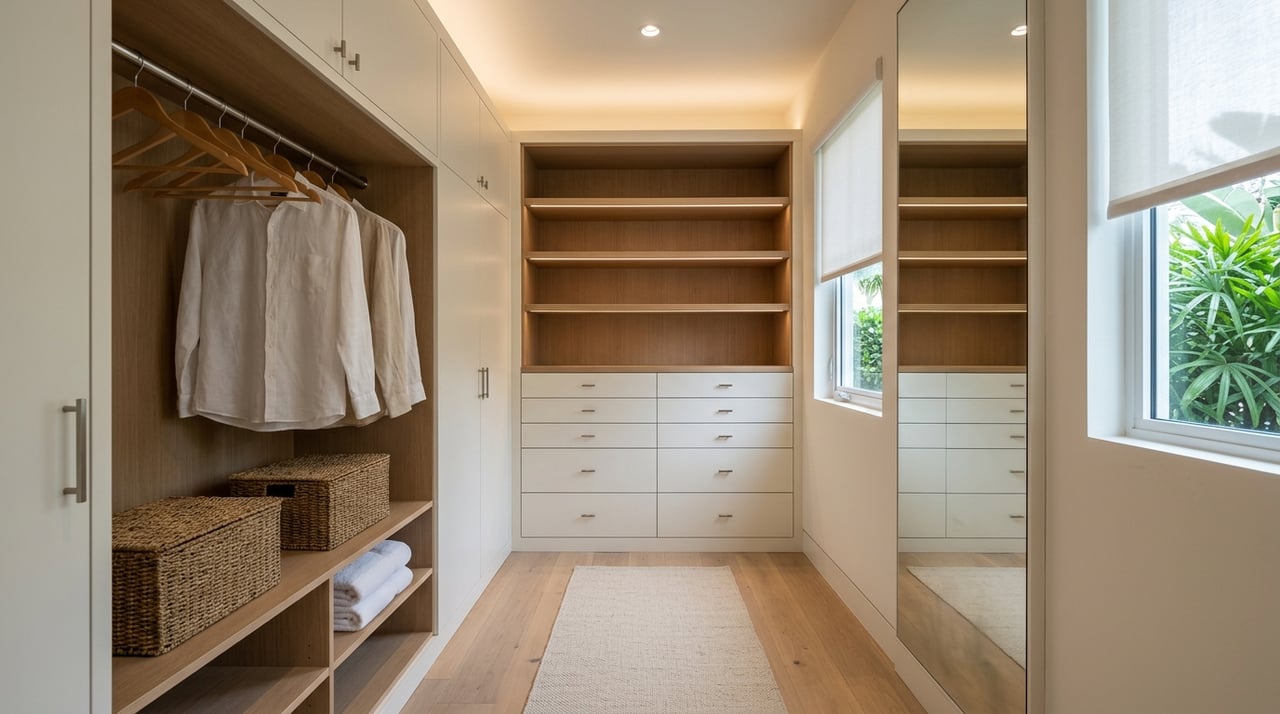
- Overflow closet items
- Pet supplies when not needed
- Seasonal décor
- Refrigerator magnets and notes
Deep clean key areas
Before photography and showings, pay extra attention to kitchens, bathrooms, floors, windows, and baseboards. Clean glass, bright surfaces, and fresh-smelling interiors help your home feel cared for.
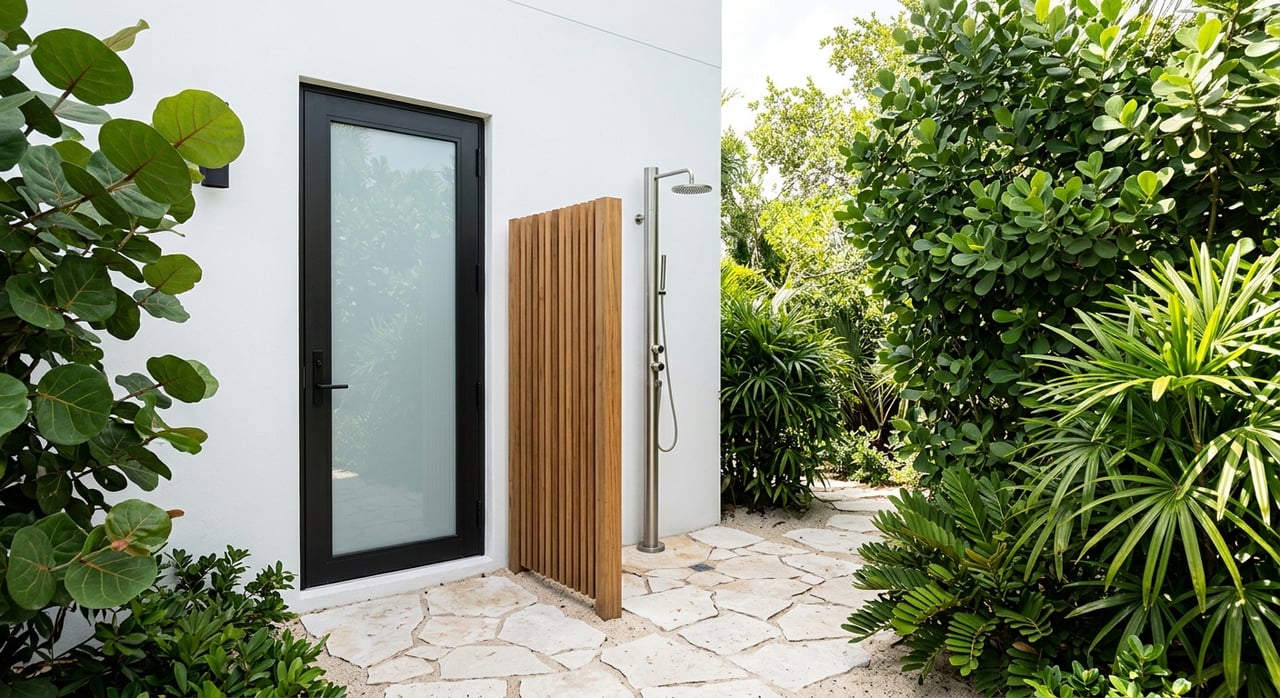
Do not forget the lanai, entry, and outdoor living areas. In Bonita Springs, those spaces are often part of the lifestyle buyers want to see.
Stage the rooms buyers notice first
Most buyers start their search online, so your home needs to make a strong impression on a screen before anyone schedules a showing. According to the 2025 NAR staging report, 29% of real estate professionals said staging increased offered value by 1% to 10%, and 49% said it reduced time on market.
That does not mean every home needs a full staging install. It does mean your home should look intentional, open, and photo-ready in the rooms buyers care about most.
Focus on high-impact spaces
NAR identifies the living room, primary bedroom, kitchen, dining room, and outdoor spaces as key staging areas. Start there if you are deciding where to spend time and energy.
In practical terms, that may mean:
- Fresh bedding in the primary bedroom
- Clear counters in the kitchen
- A simple table setting in the dining area
- Balanced furniture placement in the living room
- Straightened cushions and clean surfaces outdoors
Prepare for professional photography
Before photos, open blinds, replace dim bulbs, and remove items that create visual clutter. If possible, store cars out of the driveway and close garage doors.
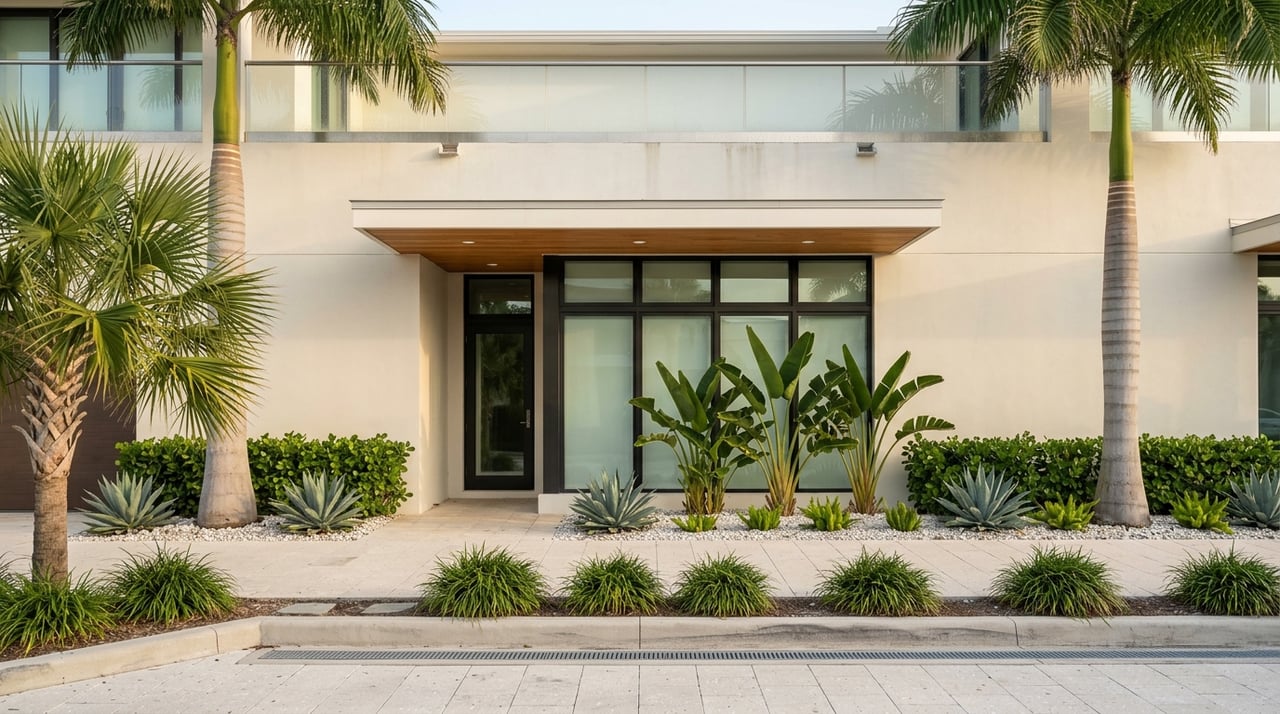
Exterior photos matter too. Tidy landscaping, a swept entry, and a clean front door help create a strong first impression from the very first image.
Check permits and past improvements
If you have completed major work on the home, verify the permit trail before listing. Lee County says a building permit is required for construction, enlargement, alteration, repair, moving, demolition, changes in occupancy, and regulated electrical, gas, mechanical, or plumbing work.
The City of Bonita Springs allows owners to search development records and permits by permit number, name, or address. This is worth doing before your home hits the market, especially if you have replaced a roof, updated major systems, remodeled space, or enclosed an area.
Gather records for completed work
Create a file with any documents related to improvements. Having this ready can make buyer questions easier to answer and reduce avoidable delays.
Useful records may include:
- Permit documents
- Final inspection records
- Invoices from licensed contractors
- Warranty information
- Product manuals for major systems or appliances
Get flood and insurance documents ready
Because Bonita Springs is in coastal Lee County, flood and insurance paperwork deserves early attention. Florida requires a flood disclosure to a buyer of residential real property at or before contract execution.
FEMA says its Flood Map Service Center is the official public source for National Flood Insurance Program flood hazard information. For sellers, the practical step is to identify your property’s flood zone and collect any related records you already have.
Pull together your flood file
If available, gather:
- Current insurance declarations page
- Flood insurance information
- Elevation or survey records
- Mitigation records
- Past claim documentation if relevant
Having these items organized early can save time once a buyer is ready to move forward.
Organize property tax paperwork
Florida also requires a property tax disclosure summary at or before contract execution. The law warns buyers not to rely on the seller’s current property taxes because a change in ownership or improvements can trigger reassessment.
For that reason, it helps to have your current tax bill and any recent reassessment notices ready before listing. This makes it easier to answer routine questions accurately and keep the transaction moving.
Collect HOA or condo documents early
If your property is in an HOA or condominium, start gathering documents as soon as you begin preparing to sell. Florida law requires an HOA disclosure summary before a buyer signs the contract, and condominium sales also come with pre-sale disclosure requirements for unit owners.
This is one of the most common places where timing matters. Missing association paperwork can create preventable delays after you already have a buyer.
What to gather for an HOA or condo sale
Try to collect:
- Governing documents
- Rules and regulations
- Budget information
- Recent meeting minutes
- Insurance contact information
- Special assessment history
- Transfer or approval requirements
- Any open violation notices
Know the estoppel timeline
For HOAs, the association must issue an estoppel certificate within 10 business days after a request. Condo estoppel rules have a similar 10-business-day deadline.
Because estoppel certificates are time-limited, requesting them early can help you avoid closing delays later in the process.
Finish with pricing and launch strategy
Even the best checklist works best when it supports the right market strategy. In Bonita Springs, where homes were taking a median of 94 days on market as of May 2026, price and presentation both matter.
That means your final pre-listing step is to pair your home’s condition, documentation, and timing with a smart launch plan. When you go live with clean visuals, complete paperwork, and a realistic pricing strategy, you give yourself a better chance to attract serious buyers and move with confidence.
If you are getting ready to sell in Bonita Springs and want a thoughtful plan built around your home, your timeline, and the local market, connect with Tricia Kowaleski for a personalized consultation and home valuation.
FAQs
What should sellers do first before listing a home in Bonita Springs?
- Start 60 to 90 days before your target listing date so you have time for repairs, cleaning, staging, photography, and document gathering.
What repairs matter most before selling a Bonita Springs home?
- Focus on small visible or functional issues like paint touch-ups, plumbing drips, loose hardware, damaged screens, sticky doors, and worn caulk.
What paperwork should Bonita Springs sellers gather before listing?
- Gather permit records, insurance documents, flood-related records, your current property tax bill, and any HOA or condo documents that apply to the property.
Do Bonita Springs condo and HOA sellers need special documents?
- Yes. Florida requires certain HOA and condominium disclosures, so it is smart to collect governing documents, budgets, meeting minutes, rules, estoppel information, and any open violation details early.
Why does staging matter when selling a home in Bonita Springs?
- Staging and decluttering can help your home look better online, reduce time on market, and improve how buyers respond to key spaces like the living room, kitchen, primary bedroom, dining room, and outdoor areas.