If you are buying from abroad, Port Royal can look simple at first glance: stunning waterfront homes in one of Naples’ most recognized neighborhoods. In reality, it is a highly specific market where private community rules, waterfront details, and Florida transaction mechanics all matter. If you want to buy with confidence, it helps to understand what makes Port Royal different before you start comparing homes. Let’s dive in.
Port Royal offers a private waterfront lifestyle
Port Royal is known as a private waterfront enclave in Naples with a long-established identity. According to the Port Royal Property Owners’ Association, the neighborhood was originally planned around direct waterfront access to either the Gulf of Mexico or Naples Bay. That waterfront setting remains a major part of the appeal today.
For you as an international buyer, that means you are not just evaluating a home. You are also evaluating a lifestyle defined by water access, privacy, and a tightly managed neighborhood environment. In Port Royal, those factors can affect value as much as architecture, finishes, or square footage.
Another key point is the Port Royal Club. The club states that membership is affiliated with ownership of property in the neighborhood and is offered to eligible owners. If club access is part of your buying decision, that ownership-linked structure is something to understand early in your search.
Port Royal homes are primarily single-family estates
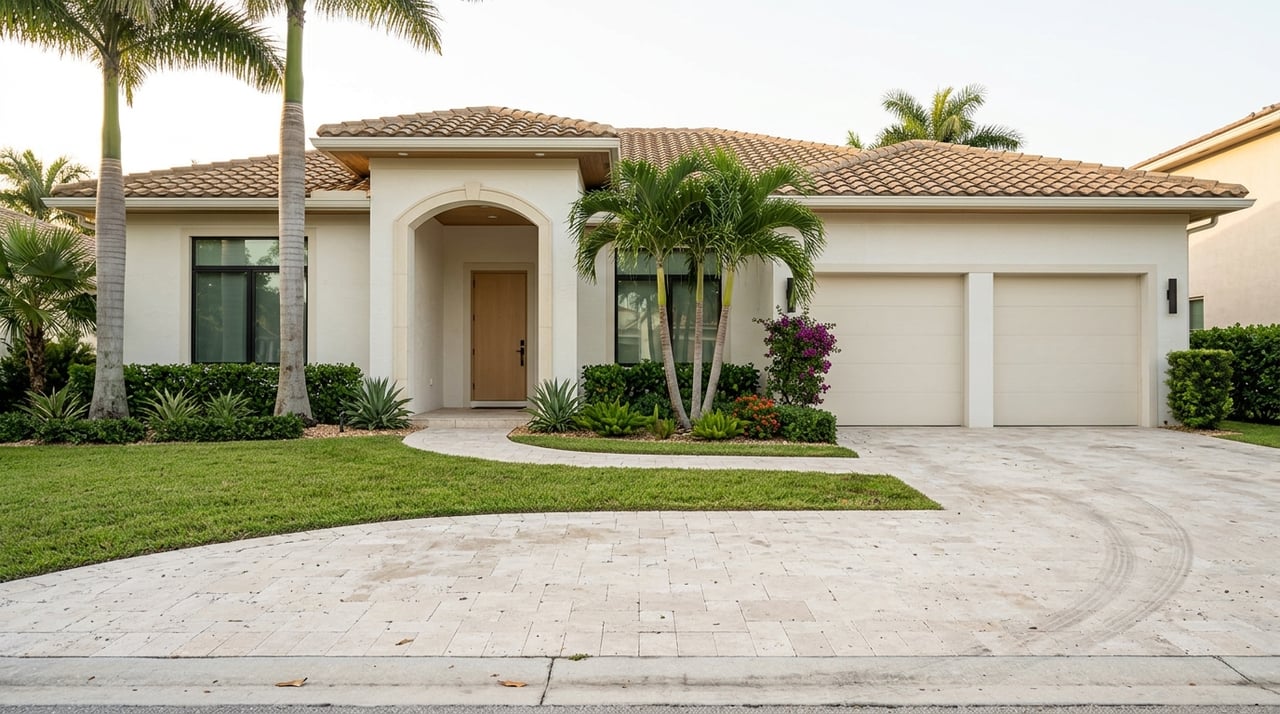
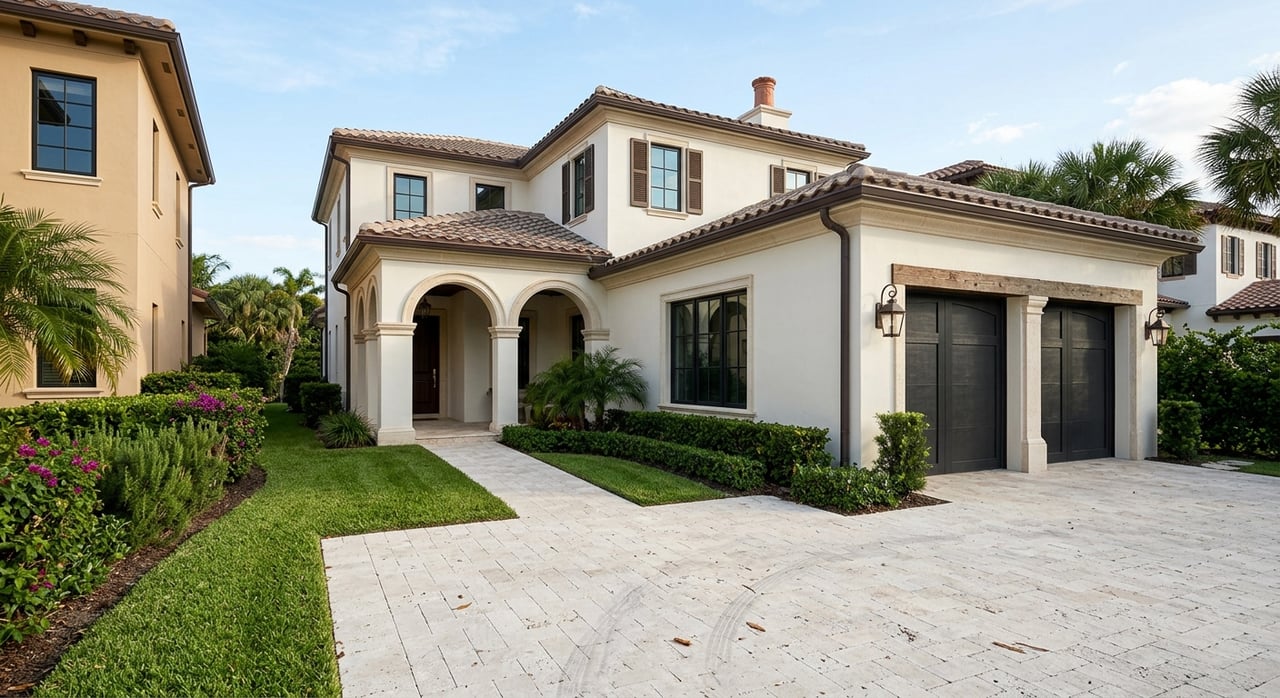
One of the most important things to know is that Port Royal is not a mixed housing market with many product types. Its recorded use restrictions limit property to single-family residential use. That creates a more uniform housing profile than you may see in other luxury coastal areas.
For buyers coming from international markets, this matters because the search process is often more focused. You are generally comparing large single-family estate properties rather than sorting through a wide range of condominiums, villas, and attached homes. That can simplify your search in one sense, but it also raises the importance of lot quality and waterfront characteristics.
Because the housing stock is so specialized, each property deserves close review. In Port Royal, the details of the site itself can have a major impact on day-to-day enjoyment and future plans for the home.
Port Royal design rules are very specific
Many luxury communities have architectural standards, but Port Royal’s rules are especially detailed. The deed restrictions require written approval before new construction or exterior alterations, including approval of the architect. The restrictions also address minimum dwelling sizes, side setbacks, roof pitch, underground utility placement, and visible antennas.
That level of oversight is important if you are considering a renovation, major exterior updates, or a teardown and custom build. A home that looks like a strong opportunity on paper may come with design constraints that affect your timeline, budget, or vision. This is why reviewing community documents early can save time and reduce surprises.
The Port Royal POA also states that its deed restrictions are supplemental to City of Naples ordinances. In other words, meeting city requirements does not automatically mean a plan will satisfy Port Royal’s restrictions. If you are buying with future improvements in mind, that distinction is critical.
Waterfront features require careful review
In Port Royal, the water side of the property may be just as important as the house itself. The deed restrictions include limits on shoreline alteration, seawall height, dock size, and where mooring pilings may be placed. These are not small details for a waterfront buyer.
If you plan to keep a boat, update a dock, or reshape outdoor spaces near the water, you will want to study those rules closely. A property’s lot orientation, view corridor, and existing dock or seawall setup can directly affect how well it fits your goals. Two homes with similar interior quality can offer very different waterfront functionality.
This is one area where remote buyers especially benefit from a careful, property-specific review. Listing photos may highlight the view, but they do not always tell the full story about dock feasibility or shoreline limitations.
Buying timelines in Florida are contract-driven
International buyers sometimes expect a standard closing timeline set by law. In Florida, the process is more contract-driven than many people realize. The Florida Realtors and Florida Bar residential contract leaves the closing date to be filled in by the parties, and closing occurs when required funds and documents are delivered to the closing agent.
That means timing is largely negotiated rather than fixed. If your funds are moving internationally, or if you need extra time for banking, tax, or legal coordination, those details should be addressed in the contract from the start. It is much better to plan for the timing you need than to assume the calendar will be flexible later.
Florida Realtors also explains that these contracts may include extension mechanics in certain situations, such as delayed lender funds or unavailable closing-critical services. It also notes that sellers are not required to accept any offer and that price is not the only factor in a negotiation. In a market like Port Royal, terms, readiness, and clarity can matter a great deal.
Remote purchases are very possible in Collier County
If you are not in Naples full-time, the good news is that many parts of the due diligence process can be handled remotely. Collier County’s property appraiser provides online property search tools where you can review owner name, address, parcel ID, property summary, aerials, sketches, and tax bills. That gives you a practical starting point for verifying the basics of a property from abroad.
The Collier County Clerk also offers records search access for items such as mortgages, tax deeds, plat maps, and declarations. Public e-recording is available from a computer, tablet, or phone. For international buyers who travel often or manage property from another country, that accessibility is useful.
The clerk also offers a free risk-alert service that can email property owners when a deed, lien, mortgage, or similar record is filed. For remote ownership, tools like that can add peace of mind and help you keep an eye on your recorded property interests.
Powers of attorney need advance planning
Some international transactions involve signing through a power of attorney. Florida Realtors notes that the document must comply with Florida law and should be cleared with the closing agent in advance if it is prepared outside the United States. This is not something to leave until the last minute.
If you think you may need a power of attorney, raise that issue early in the process. Advance review can help avoid document problems close to closing. It can also make scheduling easier when buyers or sellers are in different countries and time zones.
Florida Realtors also states that Florida does not require the closing to occur in the county where the property is located. That can give your transaction team useful flexibility if you are overseas during the final stages of the purchase.
Taxes and ownership rules deserve early attention
Taxes are another area where international buyers should slow down and get clear information before they close. If the seller is a foreign person, the IRS says the buyer is generally the withholding agent for FIRPTA purposes, and Forms 8288 and 8288-A are used to report and pay any required withholding. The IRS also says both the buyer’s and seller’s TINs must be included, and Form 8288-B can be used to request a withholding certificate or reduced withholding.
Just as important, do not assume a current tax bill will stay the same after purchase. Under Florida law, homestead tax benefits are tied to owner-occupied permanent residence, and the property generally resets to just value after a change of ownership. If you are buying a second home or non-primary residence, your tax treatment may look very different from the seller’s.
This is a common point of confusion in Florida. Reviewing likely post-sale taxes early can help you build a more accurate ownership budget.
Local closing costs should be part of your budget
Luxury buyers often focus on price, insurance, and furnishing costs, but recording-related charges also belong in your budget. Collier County’s current recording fee schedule lists deed documentary stamp tax at $0.70 per $100, mortgage documentary stamps at $0.35 per $100, intangible tax on mortgages at $2 per $1,000, along with standard recording fees that are subject to change under state-authorized schedules.
These items may not be the biggest line items in a Port Royal purchase, but they are part of the full cost picture. If you are comparing ownership costs across countries or states, having these local numbers in view can help you plan more accurately.
Port Royal searches often move deliberately
Even when you are ready to buy, it helps to approach Port Royal with patience. NABOR’s March 2026 Collier County market data, excluding Marco Island, showed 6,367 inventory, 1,054 closed sales, a median closed price of $575,000, and 95 days on market. While that is not Port Royal-specific, it is a useful reminder that the broader Naples market can move with deliberation.
In Port Royal, a thoughtful pace matters even more because buyers are evaluating not just a home, but also lot characteristics, waterfront rules, community approvals, and ownership structure. For an international buyer, the best strategy is usually a careful one: get informed, review documents early, and negotiate with clear expectations.
Port Royal can be an exceptional fit if you want a private Naples waterfront address and understand the details that come with it. If you are exploring a purchase from abroad and want local guidance on how to evaluate homes, lot features, and the overall process, connect with Tricia Kowaleski for a high-touch, neighborhood-focused conversation.
FAQs
What should international buyers know about Port Royal home types?
- Port Royal’s deed restrictions limit property to single-family residential use, so buyers are generally looking at single-family estate homes rather than a broad mix of housing types.
What should international buyers know about Port Royal Club access?
- The Port Royal Club states that membership is affiliated with ownership of property in the neighborhood and is offered to eligible owners, so club access is an important detail to confirm early.
What should international buyers know about remodeling in Port Royal?
- Port Royal requires written approval for new construction and exterior alterations, including architect approval, so future renovation or rebuild plans should be reviewed against the community rules before you buy.
What should international buyers know about Port Royal waterfront rules?
- The deed restrictions include limits on shoreline alteration, seawall height, dock size, and mooring pilings, so water access and dock potential should be reviewed property by property.
What should international buyers know about remote due diligence in Collier County?
- Collier County offers online property search tools, official records access, public e-recording, and a free risk-alert service, which can help remote buyers verify information and monitor ownership records.
What should international buyers know about Florida property taxes after buying in Port Royal?
- Florida homestead benefits depend on permanent residence status, and a change of ownership can reset the property’s assessed value treatment, so buyers should not assume the seller’s tax bill will carry over.